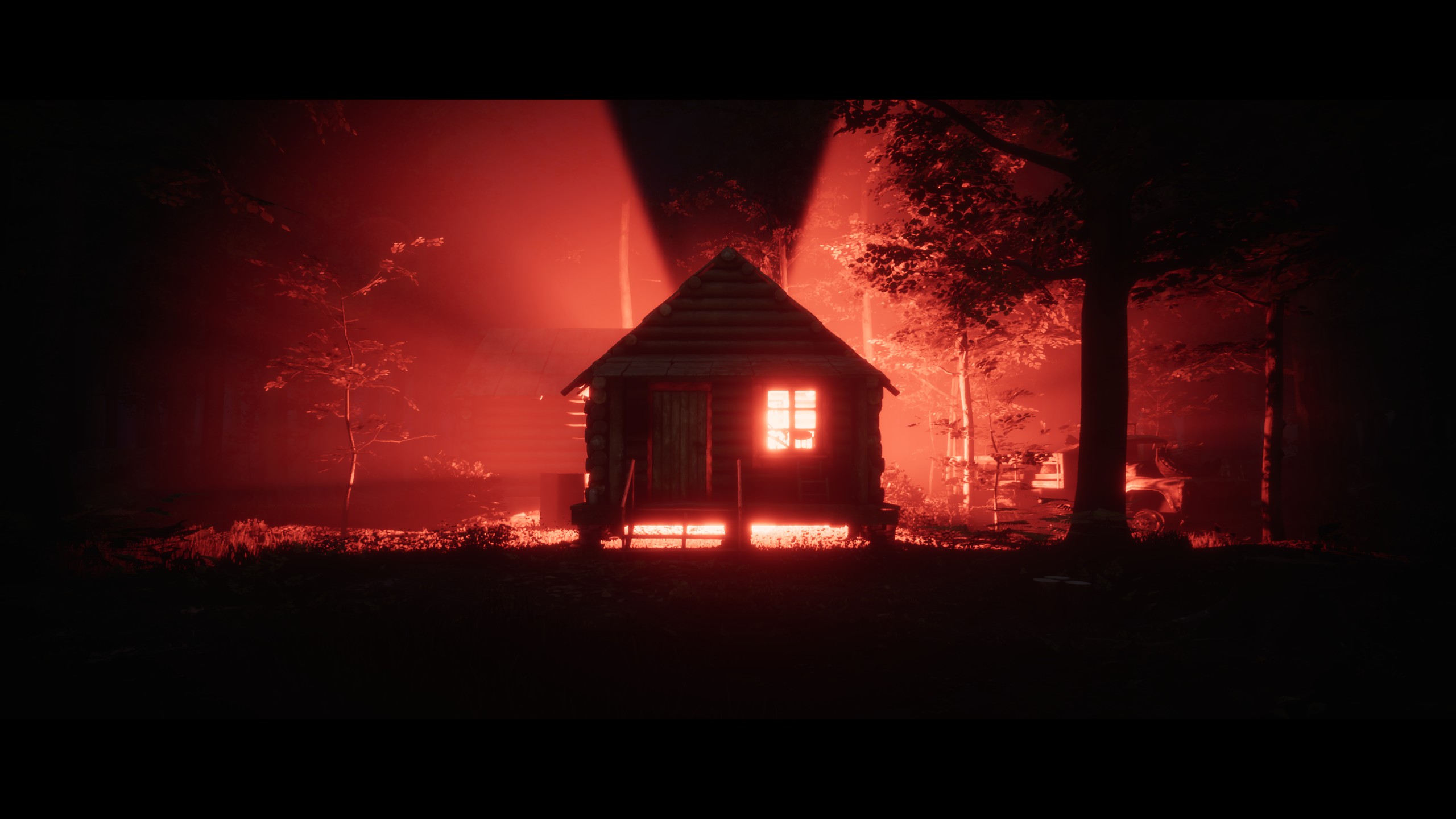
Project Songbird is a lot of things, but it truly has something valuable to say about the very nature of art. Namely, who does the artist make it for, and is it even worth torturing oneself just to try and please others? It digs into this in a surprisingly profound way that I really appreciated in the end, but I unfortunately had to trudge through some truly misplaced survival horror elements that only serve to bring the experience down with incredibly clichéd, aggravating sequences. The game is still worth seeing through despite these, but the experience can’t help but be somewhat tarnished by them.
Dakota is a singer-songwriter who has fallen on hard times after her fanbase stopped responding well to her new music. Her manager suggests that she go visit a cabin in the woods for a month to clear her head and focus on making an album for the fans, so she packs up and heads there. After settling in, she finds that all isn’t quite what she expected, as she’s forced to come to grips with her past trauma and aspects of her identity that lie at the root of her musician’s block. The whole “artist needs to go through a painful ordeal to create again” trope is very well-worn at this point, but Project Songbird is still nicely written for the most part.
However, this game goes far deeper into this than I imagined it would, weaving it together with some very meta trappings. The game literally opens with the game’s developer speaking directly to the player, which is something that pops up on occasion. It’s a bold, autobiographical look into the struggles of making art that really ties the story’s themes together in a way that they wouldn’t have otherwise. As a form of fiction, this alone makes Project Songbird notable and quite unique in some ways as well.
In terms of world design and gameplay, however, this title is far more typical. The game plays out on an island that has multiple areas that are all gated off by items. This works quite well, as Dakota gains items that open the place up in an organic way. It all starts very innocuously, such as a sequence where she needs to swap in a new filter to gain access to fresh water. There are plenty of puzzles in Project Songbird, but the game is very reluctant to hold the player’s hand, for better or worse. Even setting up the new water filter is surprisingly demanding, considering.
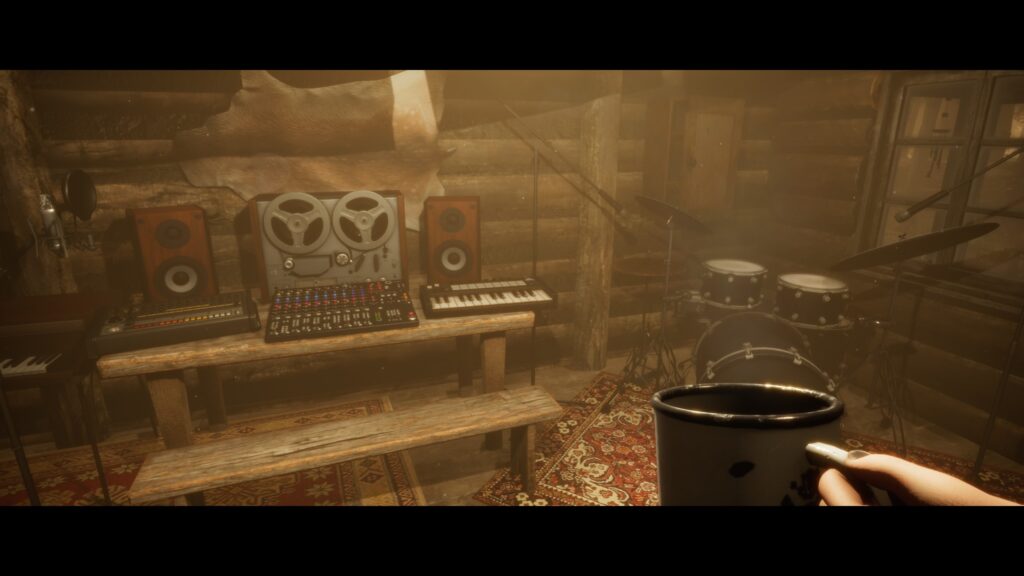
After a bit, things change, as Dakota follows a white light one night (the rhymes, the rhymesssss,) which leads her to a red door with connections to her past. The game plays out over three acts, each of which takes her into one of these doors. These environments are dreamlike and often interestingly designed. The best of them is a shifting house where new doors are made available by finding canvases and placing them on the walls. It can be quite reminiscent of the Silent Hill games, which the game does a solid job of evoking.
There are some extra things to mess with as well, such as a field recorder that lets Dakota record environmental samples, or a camera that, well, you know what a camera does. She also gets an axe that you can use to break boards in addition to being used in combat (although it breaks after being used to block a few hits.) Much of the game is nicely considered, which goes a long way toward making its world more immersive and believable.
However, everything good comes to an end. It’s not long before you start running into enemies. You find a gun early on and start accruing bullets because, hey, it’s a horror game, right? In the first act, this isn’t much of a problem, as there aren’t many enemies and getting by them isn’t difficult. The second act changes this, though. The game really only has two types of enemies, and I hate both of them. The first type is such an incredibly generic horror game monster that it’s like it was slapped in by a committee. It’s a shambling, dark tree creature that kills Dakota in three hits and must either be fought or sneaked past.
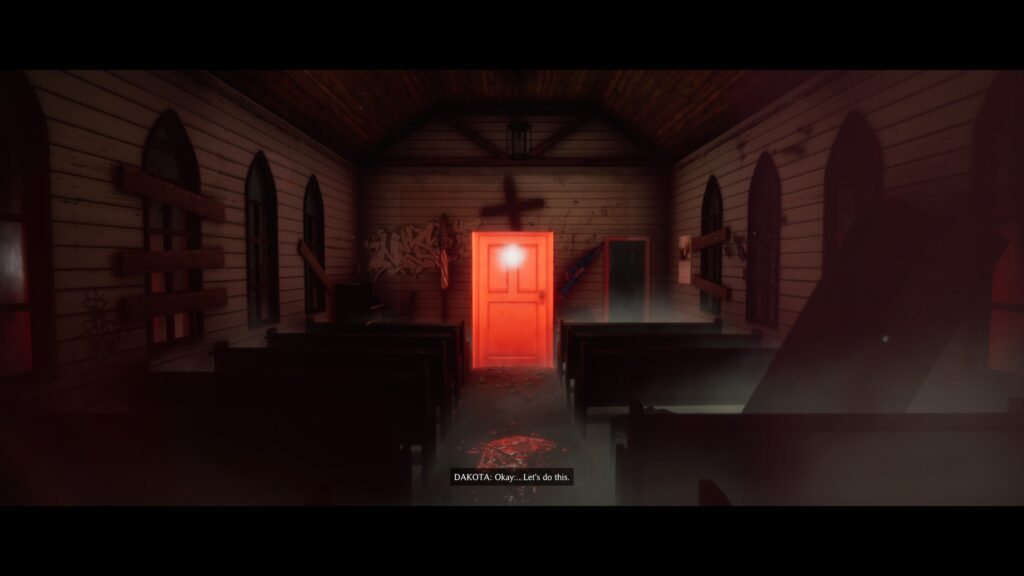
Project Songbird doesn’t let you carry much ammo, and it loves to throw multiple of these enemies at you at once. They’re really a pain to sneak past, too, as they love to hang out in narrow hallways. You can throw bottles to distract them, but as well-designed as much of the rest of the game is, these sequences are honestly just somewhat awful. They can require a lot of trial-and-error and memorization, and they really do worsen the overall game. There’s simply no good reason for any of this to be here, which the game even lampshades at one point. I get wanting to add depth to the game, but it wasn’t the right choice here.
This goes double for the game’s other enemy, which is akin to a Weeping Angel from Doctor Who. These creatures can only move when your back is turned to them, but they’re pretty quick. One of the absolute worst parts of Project Songbird requires you to basically learn some of the notes on a piano so that you can input codes while these creatures stalk you, and this is miserable. Had I not been reviewing the game, I would have uninstalled it during this sequence, as it’s really that much of an absolute chore. It doesn’t help that a couple of the codes are needlessly obtuse, considering how hard you have to work to avoid the monster.
The survival horror sections are simply far too demanding for the game they’re in. They bring the pacing to a standstill, all so we can do generic filler that’s exactly the same as it is in scores of other games. Another terrible choice was that Dakota’s flashlight quickly runs out of battery, so you’ll need to use it sparingly. It often feels like the game really just doesn’t want you to see. This was another bizarrely poor choice, since, much like the monsters, it adds nothing but frustration. With all of this cut out, Project Songbird would be a much easier game to recommend, but instead, I can only recommend it in spite of them.
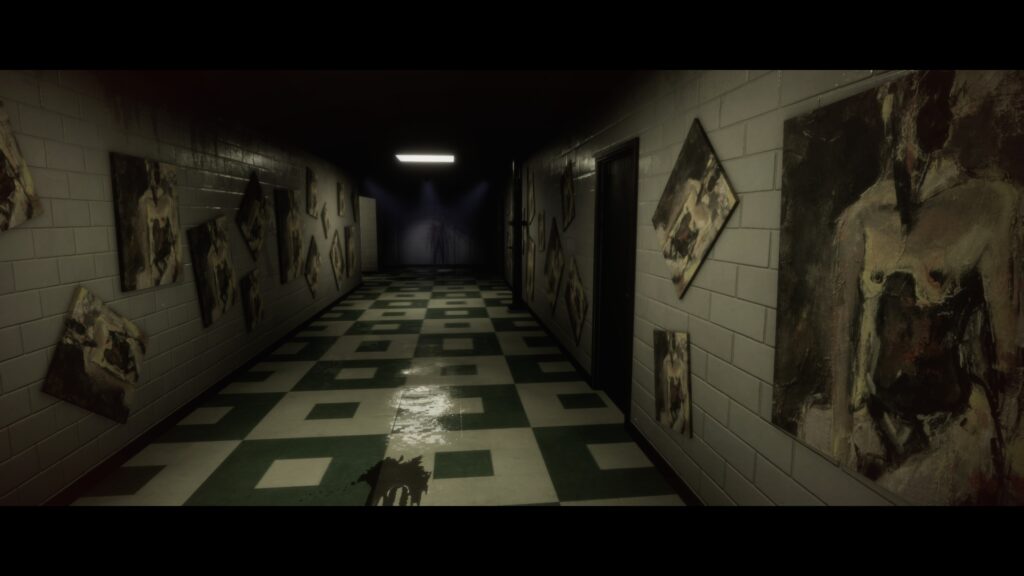
It doesn’t help that the game’s checkpoints can often force you to sit through sequences time and again if you die. I died a great many times in this game, most of it due to trying to deduce enemy locations and work out routes to get through these sections. One of them has you turn three valves to turn off steam to reach another area, but this took me a while. Dying saw me turn off the initial valve to get past some steam over and over and over again. I simply hated all of it.
I did overall enjoy the story, puzzles, and level design that Project Songbird offers, but absolutely all of the survival horror elements only make for a worse game, as they’re not nearly up to the quality standard that the rest presents. I still mostly feel that the game was worth it for the six or seven hours it lasts, and beating the game does unlock modifiers that can be used to soften some of these issues (as well as a New Game+,) but there’s an important lesson here.
For a game that so wants to make the case that art shouldn’t be diminished by attempting to appeal to its audience, it ironically does just that with these shoehorned elements.
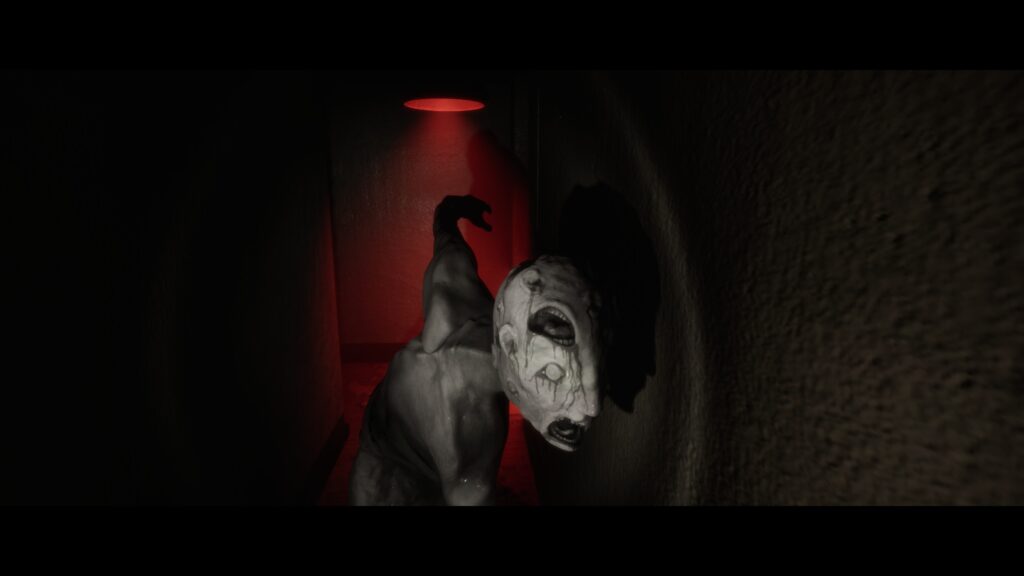
Project Songbird: Project Songbird's story is strong, and its areas are well-designed, but it can't help but be damaged by needless, frustrating survival horror elements that greatly diminish the experience. – Andrew Farrell
More horror: